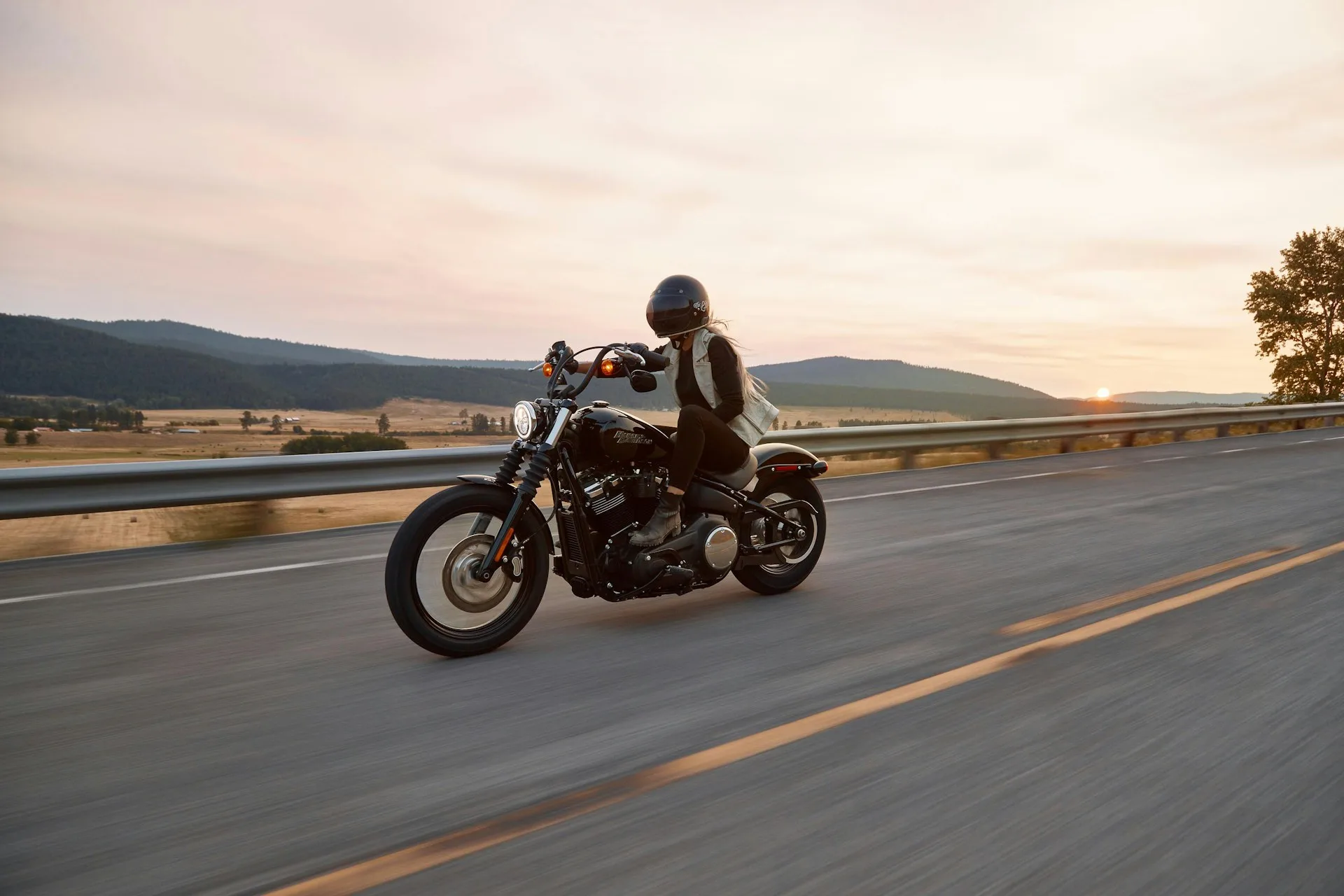

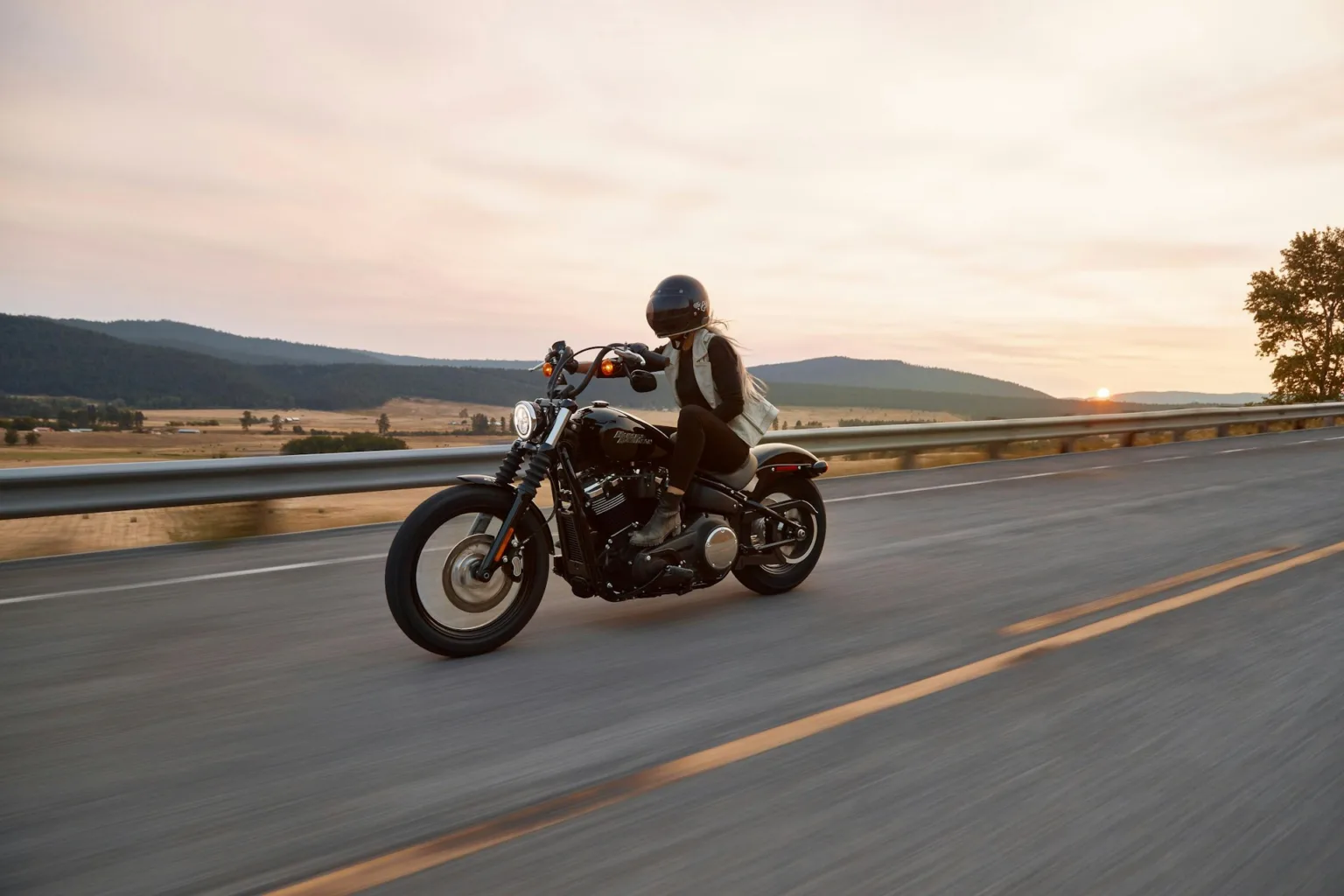
A motorcycle gives you the open East Texas road, but it also gives you almost no protection when a driver makes a mistake. The actual cause of a motorcycle accident on rural Texas roads is rarely bad luck. The crashes that send East Texas riders to the hospital usually come from a handful of causes including drivers who never look twice, open country roads with hidden hazards, and split-second decisions at speed. Knowing these causes can keep you safer and, if you are already hurt, help you understand your rights. Our East Texas motorcycle accident attorney represents injured riders throughout Anderson and Houston counties.
Drivers Who Never See the Motorcycle
A common factor in serious motorcycle crashes is a driver who simply does not see the rider. Motorcycles are narrow, sit low, and are easy to overlook, and drivers routinely misjudge how fast a bike is closing. Texas traffic-safety officials report that more than half of fatal motorcycle crashes in the state involve a collision with another vehicle, and that a large share of rider deaths happen at intersections where drivers fail to look twice.
The classic example is a vehicle turning left across your path, but the same failure to look happens when a car pulls out from a driveway or drifts into your lane while changing lanes. On rural roads, unmarked crossings and long sightlines can make drivers even more casual about scanning for a motorcycle before they pull out. When a driver later claims the rider came out of nowhere, the truth is usually that the driver looked but never registered the smaller profile of the bike in time to stop or yield.
The East Texas Roads Where Riders Get Hurt
Country roads carry their own set of hazards. On routes like US-287 through the Grapeland corridor, SH-7, US-79, SH-19, and FM 230, riders face conditions that rarely trouble a car. Loose gravel at driveway aprons, uneven or unpaved shoulders, potholes, and crop debris can break traction in an instant. Federal highway-safety researchers list slippery surfaces, surface irregularities, debris, and unforgiving roadside barriers among the environmental factors that make motorcycling dangerous. Add livestock and deer near the tree line, blind curves, and county roads with no lighting after dark, and the risk climbs quickly.
Distance matters too. Help can be far away, and rural emergency response times are often longer, which means a crash on an isolated stretch of highway can turn serious before anyone arrives. Weather adds another layer. A brief East Texas downpour can leave standing water and slick oil on the asphalt, and morning fog along low creek bottoms cuts visibility for riders and drivers alike.
Speed, Impairment, and Rider Factors
Not every cause sits with the other driver. National crash data shows that motorcyclists are more likely than car drivers to be speeding in fatal crashes, roughly a third of the riders involved compared with about a fifth of passenger-car drivers. Alcohol is a factor in a large share of deadly motorcycle crashes, and impairment climbs sharply in nighttime and single-vehicle wrecks.
Experience and licensing matter as well. More than a third of motorcycle operators in fatal crashes did not hold a valid motorcycle license. None of this means an injured rider is automatically at fault, but these factors shape how a crash unfolds and how an insurance company will try to frame it afterward. Fatigue on a long ride and simple inexperience with a heavy bike round out the picture, and any one of them can turn a routine trip into a serious wreck.
Steps Riders Take to Lower the Odds
You cannot control every driver, but you can shrink your risk. Ride as though you are invisible, and assume drivers at intersections do not see you. Give yourself extra space and time around left-turning vehicles, and cover your brakes as you approach cross streets and driveways. Make yourself easy to spot with bright or reflective gear and your headlight on, since visibility is the whole problem in most crashes involving another vehicle.
Slow down for gravel, wet paint, and blind curves on unfamiliar county roads. Protective gear will not stop a crash from happening, but it can be the difference between a bruise and a hospital stay when the pavement is unforgiving.
Why the Cause of Your Crash Decides Who Pays
In Texas, fault is not just a detail. The state follows a modified comparative fault rule. If you are found more than 50 percent responsible for the crash, you recover nothing. A share of fault of 50 percent or less reduces your recovery by that same percentage. That is exactly why insurance adjusters work so hard to pin part of the blame on the rider, sometimes through an early recorded statement taken before you have spoken with a lawyer. Attorney Chris Sbrusch began his career defending insurance companies, so he knows the tactics they use to shift responsibility, and he puts that insider knowledge to work for injured riders instead.
Texas law also limits how long you have to act. In most injury cases you have two years from the date of the crash to file a lawsuit, so it is wise to protect your claim early while evidence is fresh. Building that proof early, through photographs, witness names, the crash report, and prompt medical care, makes it far harder for an adjuster to rewrite the story later.
Talk With an East Texas Motorcycle Accident Attorney
If a crash on a rural Texas road left you hurt, you do not have to sort out the cause or the insurance company on your own. PINEYWOODS LAW™ helps injured riders across Anderson and Houston counties, from Grapeland to Palestine and Crockett, and handles motorcycle cases on contingency, so there is no fee unless we win. A conversation costs nothing. Reach out to our team for a free case review. Se Habla Español.